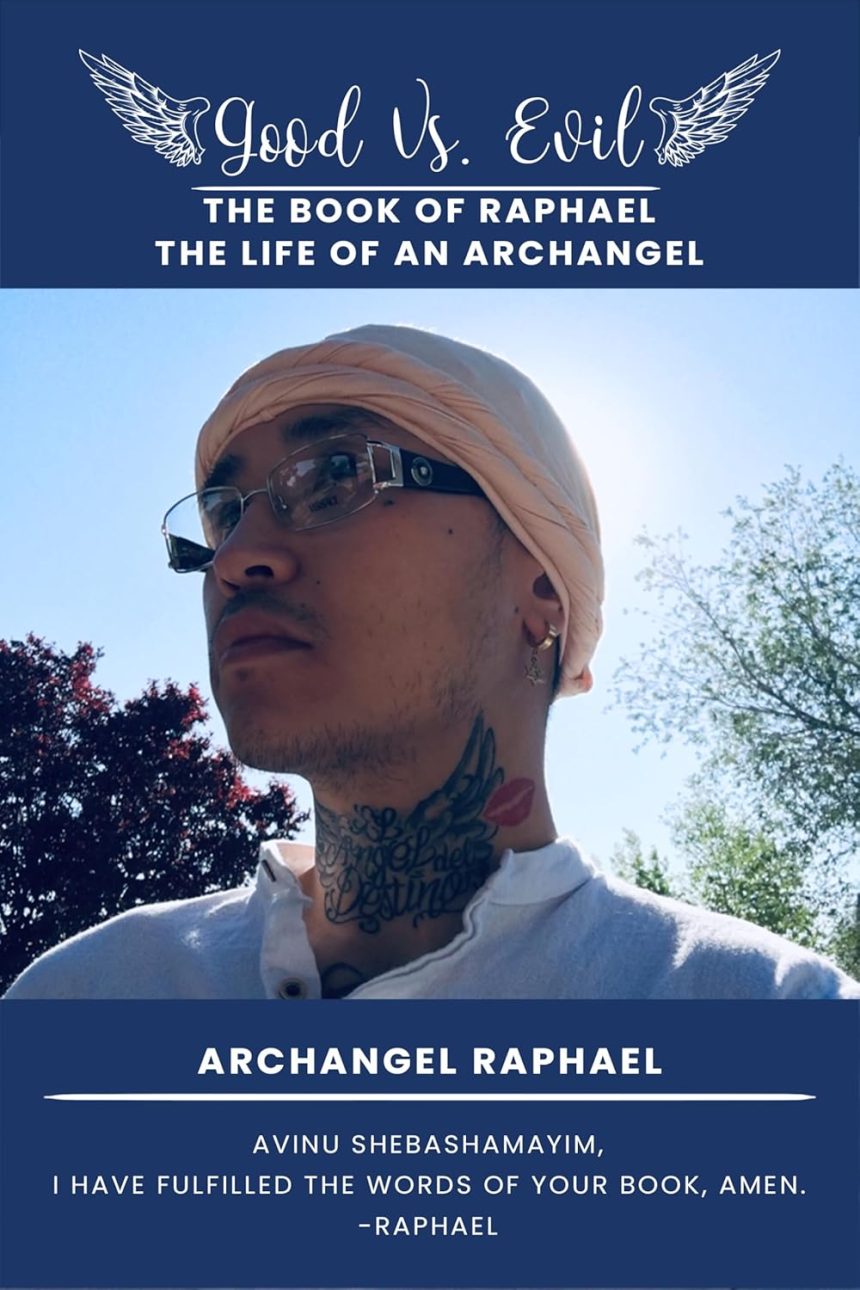

For medical professionals, psychologists, trauma therapists, and mental health researchers, “Good vs. Evil: The Book of Raphael” is far more than an autobiography it is a complex clinical case study presented through the lens of lived experience. The memoir provides rare insight into developmental trauma, emotional neglect, identity fragmentation, resilience-building, and the psychological impact of near-death experiences. Raphael’s life, as chronicled in the book, is a compelling narrative that mirrors many real-world clinical patterns observed in trauma patients across the globe.
The memoir begins with a moment of emotional devastation so severe that it shapes Raphael’s psychological profile for decades: being told as a young child that he “should never have been born.” From a clinical standpoint, this statement constitutes a catastrophic attachment wound a form of emotional abuse that disrupts the formation of secure identity. Developmentally, children rely on caregivers for emotional mirroring and validation. When the caregiver becomes the source of rejection, the child internalizes unworthiness, shame, and existential confusion.
This internalized wound becomes Raphael’s cognitive and emotional foundation. Medical readers will recognize how this early trauma manifests in predictable patterns: hypervigilance, emotional dysregulation, dissociation, and self-blame. Raphael grows into adolescence carrying these unresolved wounds, and the memoir presents these psychological symptoms with an authenticity that aligns with trauma research.
As Raphael enters his teenage years, his behavior shifts toward aggression, risk-taking, and survival-driven decision-making. Clinically, these behaviors reflect common trauma responses. When children grow up in volatile environments with unpredictable parenting, the brain adapts by prioritizing survival over emotional development. Raphael’s involvement in violence and street conflicts mirrors the pathways documented in studies on high-adversity youth populations.
The book reaches one of its most clinically significant moments during Raphael’s near-fatal prison stabbing. The physical trauma alone is severe deep wounds across his back, arms, and chest, rapid blood loss, and the body entering survival shock. But what is particularly valuable from a medical perspective is the psychological dissociation described during the attack. Raphael recounts a sense of slowed time, detachment from his physical form, and heightened awareness hallmark symptoms of the brain entering trauma-protective mode. For clinicians studying near-death experiences, this sequence provides a narrative consistent with the neurological response to extreme threat.
Yet the memoir does not limit itself to the psychological consequences of trauma. It offers an equally compelling narrative of resilience, transformation, and post-traumatic growth (PTG). Raphael begins to heal when he confronts the root of his pain, reframes his identity, and embraces a deeper sense of purpose. PTG research shows that individuals who experience intense trauma can develop stronger identity frameworks, deeper empathy, heightened spirituality, and increased emotional intelligence. Raphael’s journey exemplifies each of these categories.
What makes the memoir particularly fascinating is the intersection of clinical psychology and spirituality. Raphael’s revelation of his identity as an archangel can be interpreted symbolically or spiritually depending on the reader’s perspective. Clinically, such breakthroughs often occur during the process of meaning-making a psychological strategy that allows trauma survivors to reinterpret their suffering as purposeful rather than arbitrary. For those approaching the memoir from a spiritual lens, Raphael’s identity represents divine intervention and predestined mission.
Either interpretation aligns with modern therapeutic approaches. Meaning-making is a cornerstone of trauma recovery, especially in therapies such as Internal Family Systems (IFS), Cognitive Behavioral Therapy (CBT), and narrative therapy. Raphael’s reframing of his trauma through the lens of spiritual purpose becomes a powerful coping mechanism that leads to transformation rather than collapse.
Medical World News readers will also appreciate the exploration of generational trauma. Raphael’s parents, themselves shaped by displacement and hardship, pass unprocessed pain onto their children. This aligns with epigenetic trauma research, which suggests that trauma can alter stress responses across generations.
Ultimately, “Good vs. Evil: The Book of Raphael” is not simply a memoir it is a deep psychological portrait of trauma, survival, and healing. It offers clinicians an opportunity to observe how emotional wounds form, how they shape behavior, and how individuals reclaim identity through resilience and meaning-making. Raphael’s story reminds medical professionals that behind every trauma patient lies a complex narrative that deserves to be understood rather than minimized.
To explore Raphael’s full psychological and spiritual journey, read the complete book on Amazon KDP: https://www.amazon.com/dp/B0F1W5H6K3
Trauma, Healing, and the Human Mind: A Clinical Exploration of “Good vs. Evil: The Book of Raphael”
A clinical exploration of trauma, dissociation, and post-traumatic growth through the lived psychological journey in The Book of Raphael.