


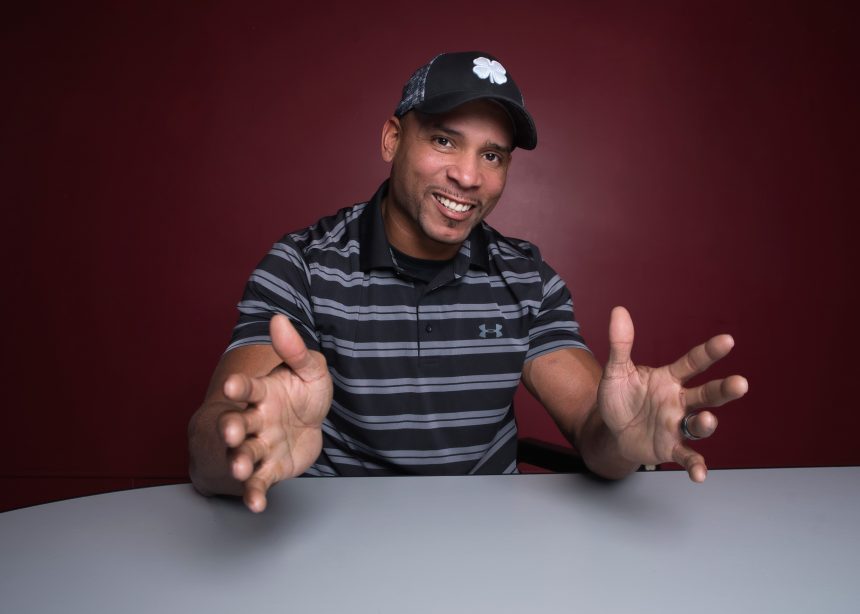
By Quatrell Walker
Human beings are biologically wired to survive hardship, yet few fully understand the extraordinary neurological systems responsible for pulling us through trauma, rebuilding emotional strength, and helping us rise again after life shakes us to the core. Whether it’s combat stress, childhood wounds, job loss, heartbreak, or sudden shifts in identity, the science of resilience reveals one powerful truth:
The brain is not fixed. It is constantly rewiring itself and it can rebuild after anything.
In Cut From a Different Cloth, the author describes high-intensity military experiences, emotional battles that lingered long after deployment, and the internal work required to reclaim peace and identity. These reflections are not just emotional they mirror the biology behind how resilience is formed.
Trauma Changes the Brain But It Doesn’t Destroy It
Traumatic events activate the brain’s survival centers:
- the amygdala (fear & threat detection),
- the prefrontal cortex (decision-making & reasoning),
- and the hippocampus (memory processing).
Under extreme stress such as combat deployments or moments of severe life disruption—these regions become overwhelmed. This can lead to:
- hypervigilance
- intrusive memories
- emotional numbness
- irritability
- difficulty regulating fear
The author openly reflects on these symptoms after returning home from hostile environments, describing PTSD as a “silent battle” fought long after the physical danger had passed.
But neuroscience offers hope: trauma may alter the brain, but thanks to neuroplasticity, it can be healed, reshaped, and strengthened over time.
Neuroplasticity: The Brain’s Superpower for Healing
Neuroplasticity refers to the brain’s ability to reorganize itself forming new neural pathways after injury, emotional distress, or trauma.
Here’s the medical truth:
Your brain is constantly updating itself based on what you think, feel, and repeatedly practice.
This explains why:
- therapy works
- mindfulness reduces anxiety
- supportive relationships improve mood
- adopting new habits rewires thought patterns
- resilience can be built even after extreme trauma
The author’s transition from pain to purpose mentorship, entrepreneurship, self-awareness, and mindset training reflects this neurological rebuilding. Each new step became a cognitive repetition, reinforcing healthier patterns, strengthening emotional regulation, and reducing the brain’s dependence on survival responses.
Why Some People Break While Others Break Through
Medical studies show that resilience is shaped by three biological and psychological factors:
1. Emotional Regulation
Individuals who learn to identify, process, and reframe emotions (rather than suppress them) strengthen the prefrontal cortex, improving emotional balance.
The manuscript emphasizes awareness: acknowledging fear, doubt, and trauma rather than hiding from it. This form of radical self-honesty is the foundation of emotional regulation.
2. Meaning-Making
Humans heal faster when they attach meaning to hardship.
Pain becomes a teacher, not an identity.
The author transformed adversity into purpose helping others discover their gifts, mentoring individuals, and using personal struggles as fuel for growth. Meaning-making literally shifts the brain’s response to trauma, reducing stress hormones and increasing dopamine.
3. Social Connection
Strong support systems decrease cortisol, stabilize mood, and accelerate neural healing.
In the manuscript, seeking mentorship from leaders like John C. Maxwell and Les Brown provided not just guidance, but neurological safety allowing the brain to feel secure enough to grow.
The Science of Reinvention: How Identity Shapes Recovery
Identity plays a critical role in trauma recovery.
When your identity is fractured by loss, combat stress, job changes, or emotional upheaval—the brain experiences a sense of internal “dislocation.”
Rebuilding identity helps restore neural coherence.
The author describes this phase as:
- shedding old versions of himself
- recognizing harmful learned behaviors
- adopting new mental frameworks
- aligning with purpose
- stepping into his true gift
This mirrors psychological models that show how identity reconstruction improves cognitive flexibility and long-term emotional resilience.
The Power of Alignment: Environment Shapes Neurology
Your environment is one of the biggest neurological influencers.
Research shows that surrounding yourself with supportive, ambitious, or emotionally intelligent people can shift brain patterns faster than solitary work.
The manuscript reinforces this: aligning with the right people was the turning point that minimized internal battles and elevated mental strength. Negative social environments, on the other hand, reinforce trauma pathways.
Resilience Isn’t Natural—It’s Built
Resilience isn’t a personality trait. It’s a neurological process built through:
- repeated exposure to manageable challenges
- emotionally safe relationships
- purposeful action
- cognitive reframing
- daily discipline
- self-awareness
- and the willingness to grow
The author’s journey from trauma to triumph is a clear example: every challenge became a signal for growth, every setback a lesson, every discomfort an invitation to rise.
The Final Diagnosis
Trauma may change your brain, but it does not define your future.
With the right tools awareness, alignment, meaning, support, and continual learning—the mind can rebuild itself stronger than before.
Resilience is not the absence of struggle.
It is the science of rising.
And the brain, when given the chance, is remarkably good at rising.
DISCOVER THE FULL JOURNEY
Explore the mind’s capacity to transform after hardship in Cut From a Different Cloth—available now on Amazon. https://a.co/d/6uO4xky