

The largest donation for nutrition science in UC Davis School of Medicine’s history came from an unlikely source: a doctor who believes the answer isn’t in the pharmacy.
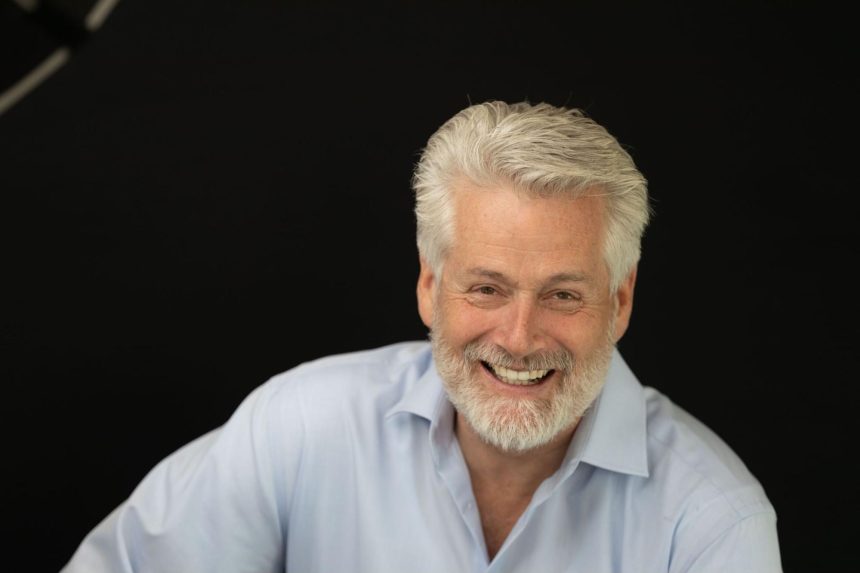
When Dr. Douglas S. L. Howard presented a $10 million check to UC Davis School of Medicine in June 2025, he wasn’t funding drug development or surgical research. He was investing in something far more fundamental—and far more controversial in conventional medical circles: proving that fruits and vegetables can prevent and mitigate disease.
The gift established the Dr. Douglas S. L. Howard Endowed Chair in Nutrition for Transformative Healthcare and launched the corresponding UC Davis Nutrition for Transformative Healthcare Program. It’s a bold philanthropic bet that the future of medicine lies not in increasingly complex interventions, but in returning to nutritional basics.
“Through research and testing, we are demonstrating the powerful connection between a diet rich in fruits and vegetables and the mitigation of disease,” Dr. Howard explains.
For those familiar with academic medicine’s funding landscape, this gift raises fascinating questions. Why would a successful physician invest millions in an area of research that pharmaceutical companies, the traditional funders of medical research, have little financial incentive to pursue?
The Funding Gap in Food-as-Medicine Research
Dr. Howard’s donation addresses a significant market failure in medical research. While billions flow annually into pharmaceutical development, nutrition research remains comparatively underfunded. The reason is straightforward: you can’t patent an apple.
Drug companies invest in research they can monetize through patents and exclusivity. A medication can generate billions in revenue before generics enter the market. But proving that consuming whole fruits and vegetables prevents diabetes or cardiovascular disease? There’s no patent protection, no market exclusivity, no blockbuster profit potential.
This creates a knowledge gap. Medical schools train future physicians extensively in pharmacology but provide minimal education in nutrition. Doctors learn which medications to prescribe for Type 2 diabetes, but many receive little training in the dietary interventions that could prevent it from developing.
Dr. Howard‘s gift directly challenges this imbalance. The Nutrition for Transformative Healthcare Program aims to promote infrastructure, research, and outreach into Whole Food Nutritional Health, expanding knowledge of how fruits and vegetables support good health.
Dr. Sean Adams, Vice Chair for Basic Research in the Department of Surgery at UC Davis Health and Scientific Director for the Center for Alimentary and Metabolic Science, emphasized the significance: “We are deeply grateful to carry forward Dr. Howard’s vision and inspire generations of future doctors and scientists through this gift.”
There’s something almost subversive about Dr. Douglas Howard‘s position. In an era of precision medicine, genetic therapies, and targeted immunotherapies, he’s insisting that the foundation of health lies in something humans have known for millennia: eat more plants.
This message faces skepticism from multiple directions. Pharmaceutical interests prefer complex, patentable solutions. Supplement companies promote isolated compounds and proprietary formulations. Even wellness influencers often gravitate toward exotic superfoods and complex protocols rather than mundane dietary fundamentals.
Dr. Howard’s approach—centered on whole food nutrition and what he calls the Triad of Health (Physical, Chemical, and Spiritual balance)—cuts against these commercial incentives. “Simplicity is the ultimate sophistication,” he frequently emphasizes.
But simplicity doesn’t mean easy. Getting people to consistently consume adequate fruits and vegetables remains one of public health’s most stubborn challenges. According to CDC data, only one in ten Americans eats enough produce daily. Knowledge alone doesn’t change behavior.
From Clinical Observation to Research Investment
Dr. Howard‘s commitment to nutrition research stems from direct clinical observation spanning four decades. As a physician who studied in Russia during the post-Soviet economic collapse, he witnessed stark nutritional inequalities: those with access to fruits and vegetables maintained health; those without became ill.
His subsequent research into phytonutrition, the bioactive compounds in plants, convinced him that whole foods contain thousands of compounds working synergistically in ways isolated supplements cannot replicate. This informed both his development of Balance of Nature’s whole food products and his founding of the Fruit and Vegetable Foundation, the nonprofit behind the UC Davis gift.
The research program he’s funding will investigate precisely these questions: How do whole fruits and vegetables impact immune function, chronic disease progression, and overall health outcomes? What mechanisms explain the epidemiological associations between produce consumption and disease prevention?
Dr. Timothy Hollingshead, co-founder of the Fruit and Vegetable Foundation, noted at the presentation event: “It was an incredible experience to watch Dr. Howard share the knowledge he’s spent years developing for freeze-dried fruits and vegetables with some of the nation’s leading researchers in nutrition science.”
What makes this partnership compelling is the philosophical alignment between Dr. Howard and UC Davis School of Medicine. The medical school’s mission emphasizes providing learner-centered education to cultivate physicians who will improve lives and transform community health—not simply treat illness after it develops.
This prevention-oriented approach matches Dr. Howard’s vision. His work spans human health, pet wellness through Dr. Phyto’s, humanitarian relief through Greenleaf, and now academic medical research—all centered on the principle that small, consistent daily choices in nutrition can transform health outcomes.
The $10 million gift represents one of many steps the Fruit and Vegetable Foundation is taking to establish infrastructure for future impact. It signals growing recognition within academic medicine that food-as-medicine research deserves the same rigor and investment as pharmaceutical research.
The Question Behind the Gift
Dr. Douglas Howard‘s philosophy ultimately asks academic medicine a provocative question: What if we’ve been looking in the wrong place for health solutions?
Not because pharmaceuticals and advanced medical interventions lack value, they’re essential for acute illness and many chronic conditions. But because the foundation of preventive health may lie in something far more accessible and far less profitable: helping people eat more fruits and vegetables.
It’s a question worth $10 million to answer, and potentially worth far more if the research proves what clinical observation and epidemiology have long suggested: that the future of transformative healthcare might be found not in the next pharmaceutical breakthrough, but in the produce aisle.
In academic medicine, that’s not just a research question. It’s a revolution.